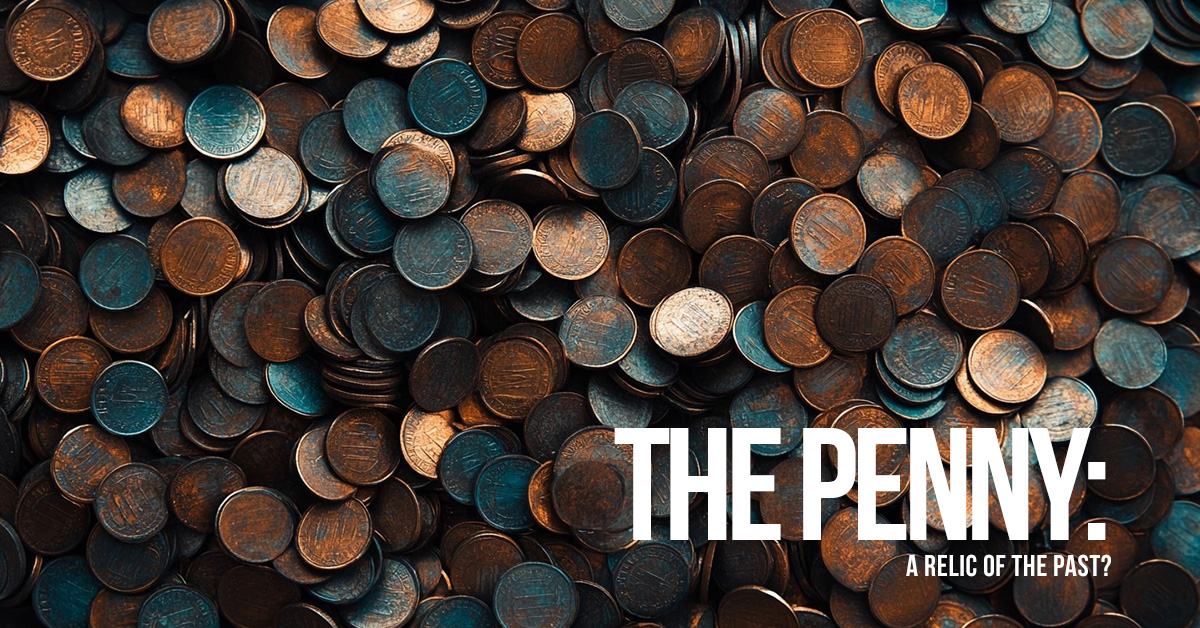
The Penny: A Relic of the Past?
The penny, with its distinctive copper hue, has been a familiar sight in American wallets for generations. However, the economic viability and environmental impact of this small coin have sparked ongoing debates about its future.
A Brief History of the Penny
The penny, officially known as the one-cent piece, has its roots in the early days of the United States. Introduced in 1793, it was initially made of copper, reflecting the value of the metal at the time. Interestingly, for the first 70 years of its existence, the penny was actually the second-smallest denomination, as the half-cent coin circulated alongside it.
Over the years, the composition of the penny has undergone several changes. During World War II, copper was needed for the war effort, so pennies were briefly made of steel. In the 1960s, to reduce costs, the copper content was significantly lowered, and since 1982, pennies have primarily been composed of zinc with a copper coating.
The Costly Penny
Despite the shift to less expensive metals, the production of pennies continues to be a money-losing venture for the U.S. government. The cost of manufacturing a penny exceeds its face value, leading to ongoing discussions about its elimination.
Advocates for eliminating the penny argue that it’s an outdated relic of the past and that its removal would streamline cash transactions. They point to the success of other countries, such as Canada and Australia, which have successfully phased out low-denomination coins.
Opponents of penny elimination contend that it would disproportionately affect low-income individuals who rely on cash for everyday transactions. They also argue that rounding prices to the nearest nickel could lead to increased costs for consumers.
The Future of the Penny
The debate over the penny’s future is likely to continue for some time. While there is a strong economic case for eliminating the coin, the political and social implications are complex. As technology continues to advance and cashless payments become more prevalent, the penny may eventually fade into obscurity, joining the ranks of other obsolete currencies.
In the meantime, the penny remains a curious and controversial aspect of the American economy. Its history and changing composition offer a fascinating glimpse into the evolution of currency and the challenges of maintaining a modern monetary system.