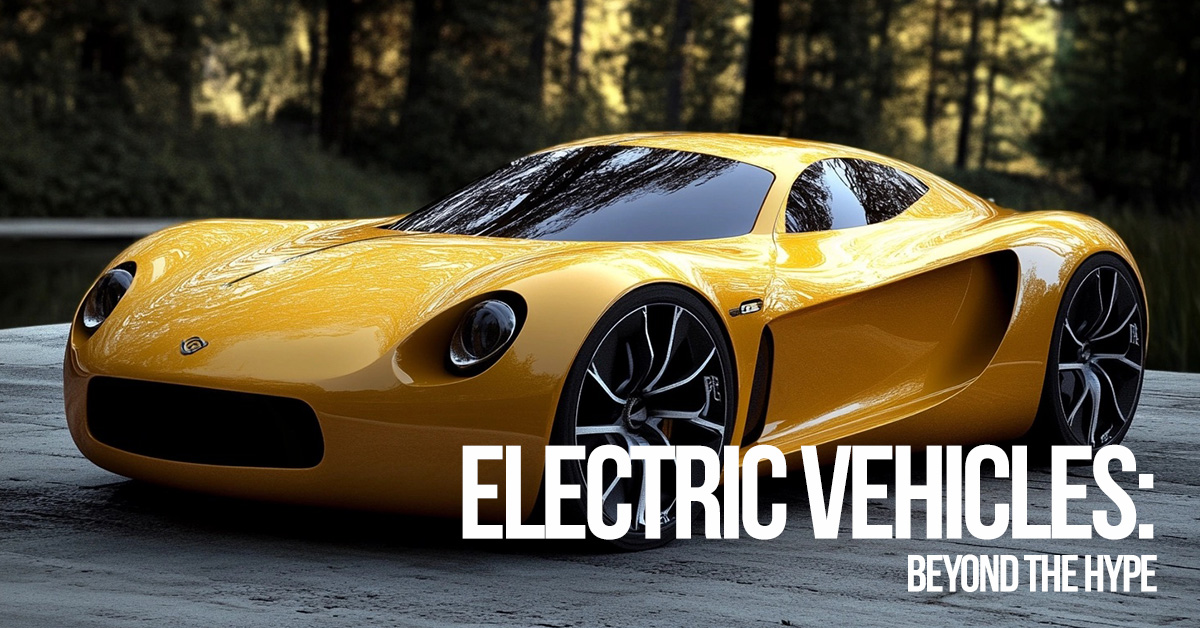
Electric Vehicles: Beyond the Hype
Electric vehicles (EVs) have made significant strides in recent years, becoming a viable alternative to traditional gasoline-powered cars. However, there are still many misconceptions about EVs that can deter potential buyers. Let’s explore some of the surprising facts about these innovative vehicles.
1. Electric Vehicles Have a Long History
The idea of electric vehicles is not new. In fact, electric cars were developed before gasoline-powered vehicles. The first electric vehicles appeared in the 1830s, but their popularity declined as gasoline engines became more efficient and affordable.
2. EVs Are Heavier Than Gas-Powered Cars
One of the main reasons EVs are heavier than traditional cars is the weight of their batteries. Batteries can account for a significant portion of an EV’s total weight. However, this extra weight can contribute to better handling and stability.
3. EVs Are Incredibly Fast
Modern electric vehicles are known for their impressive acceleration. Thanks to their instant torque delivery, EVs can reach high speeds in a fraction of the time it takes a gasoline-powered car. Some high-performance EVs can accelerate from 0 to 60 mph in under two seconds.
4. EVs Can Be Silent
One of the most striking features of electric vehicles is their quiet operation. Unlike gasoline-powered cars, EVs produce minimal noise, making for a peaceful and enjoyable driving experience. However, to ensure pedestrian safety, some EVs are equipped with artificial sounds to alert pedestrians of their presence.
5. EVs Have a Longer Range Than You Might Think
Early EVs had limited range, but advancements in battery technology have significantly increased the distance these vehicles can travel on a single charge. Many modern EVs can now travel over 300 miles on a full charge, making them suitable for long-distance travel.
6. Charging Times Are Getting Shorter
While charging times have improved significantly, they are still longer than refueling a gasoline-powered car. However, newer charging technologies, such as DC fast charging, can significantly reduce charging times.
7. Insurance Rates for EVs Can Vary
Insurance rates for electric vehicles can vary depending on several factors, including the make and model of the car, your driving record, and your location. In some cases, insurance rates for EVs may be lower than for gasoline-powered cars due to their lower accident rates.
8. EVs Can Qualify for Tax Incentives
Many governments offer tax incentives to encourage the adoption of electric vehicles. These incentives can help offset the initial cost of purchasing an EV.
As electric vehicle technology continues to advance, we can expect to see even more impressive and affordable models enter the market. If you’re considering making the switch to an electric vehicle, it’s worth researching the latest models and exploring the available incentives.