Spring Forward, Check Upward: The Essential DST Smoke Alarm and Carbon Monoxide Audit
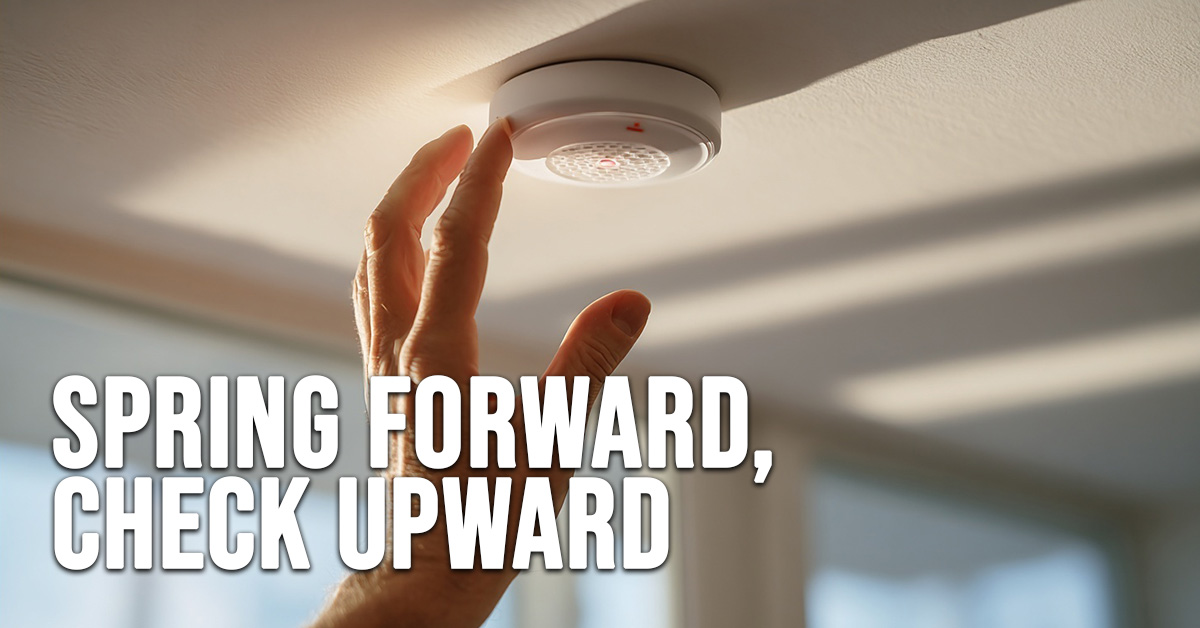
On Sunday, March 8, 2026, we “spring forward” into Daylight Saving Time. While losing an hour of sleep is a nuisance, this date serves a vital purpose in the world of home safety: it is the unofficial national holiday for Smoke and Carbon Monoxide (CO) Detector Maintenance.
From a Home Insurance perspective, these small plastic discs on your ceiling are your first line of defense against a total loss. Insurers view “Protective Devices” as a key factor in your home’s risk profile. In fact, most policies offer a discount (usually 2% to 5%) just for having functional, monitored alarms.
Why the Battery Check is Non-Negotiable
In the event of a fire claim, an investigation will occur. While an insurance company typically won’t deny a claim because of a dead battery, having functional alarms is part of your “duty to mitigate” risk. Furthermore, if you told your insurer you have a “centrally monitored fire alarm” to get a discount, but you let the service lapse or the batteries die, you could face complications during a claim.
The 10-Year Rule
Did you know that smoke detectors have an expiration date? Most sensors lose their effectiveness after 10 years. This March, as you change the batteries, look at the “Manufacture Date” on the back. If your detector was made before 2016, it’s time to replace the entire unit.
Pro-Tip: Consider upgrading to “Smart” detectors. These send alerts to your phone if they go off while you’re away, which can be the difference between a small kitchen fire and a total loss of the structure.