The Debt-Deductible Dilemma: Aligning Your Auto Policy with Post-Holiday Finances
The second week of January often marks the arrival of the first holiday credit card statements. For many, this translates to reduced liquidity and depleted savings—a financial reality that directly impacts how you should manage your Auto Insurance policy, specifically your deductibles.
Your deductible is the amount of money you must pay out-of-pocket before your insurance coverage for Collision and Comprehensive claims begins. While a high deductible saves money on premiums (good for budgeting), it requires a readily available lump sum if you are involved in a mid-January accident.
High Deductible, High Risk
If your New Year’s Resolution involved cutting expenses, you might be tempted to raise your deductible from, say, $500 to $1,000 or even $2,500. While this is a responsible long-term budgeting move, doing it when your cash reserves are low due to holiday spending introduces immediate, unacceptable risk.
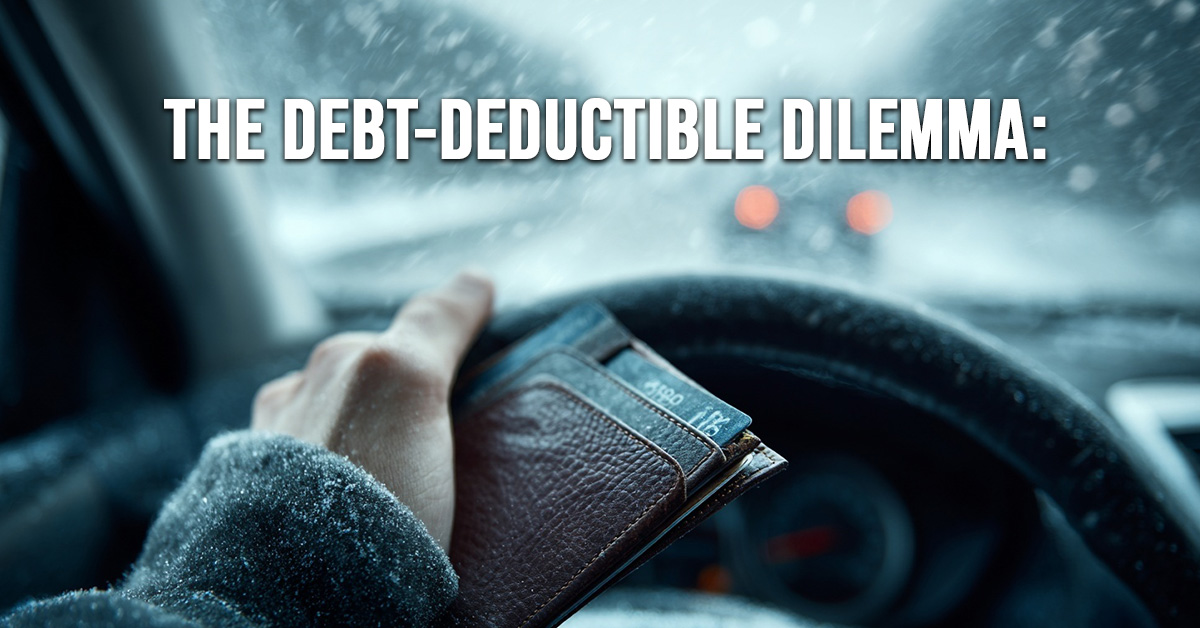
- The January Reality: If you slide on black ice and cause $8,000 worth of damage to your car, and you have a $2,000 deductible, you need $2,000 in liquid cash immediately to get your car out of the shop and back on the road. If that money is tied up in credit card debt or a depleted savings account, you face a major financial crisis.
- The Loss of Use: Without that cash, you can’t pay the deductible, which means your car remains in the shop, and you may be forced to pay for expensive rental transportation while you wait to gather the funds.
Strategic Deductible Review for 2026
Use this mid-January period to align your deductible with your current financial reality, not just your future budgeting goals:
- Assess Liquidity: Honestly assess your available, accessible cash (emergency fund, not retirement funds). This number should be your maximum deductible.
- Maintain or Lower: If your cash reserve is currently below $1,000, consider keeping your deductible low, even if it means a slightly higher premium for a few months. Financial security during peak winter driving risk is more important than small premium savings.
- Future Planning: Once your holiday debt is paid down and your emergency fund is replenished (perhaps by mid-summer), then call your agent and raise your deductible to optimize your long-term savings.
In January, your best deductible is the one you can comfortably afford to pay tomorrow. Ensure your policy supports your ability to recover quickly from an accident, especially when financial flexibility is low.