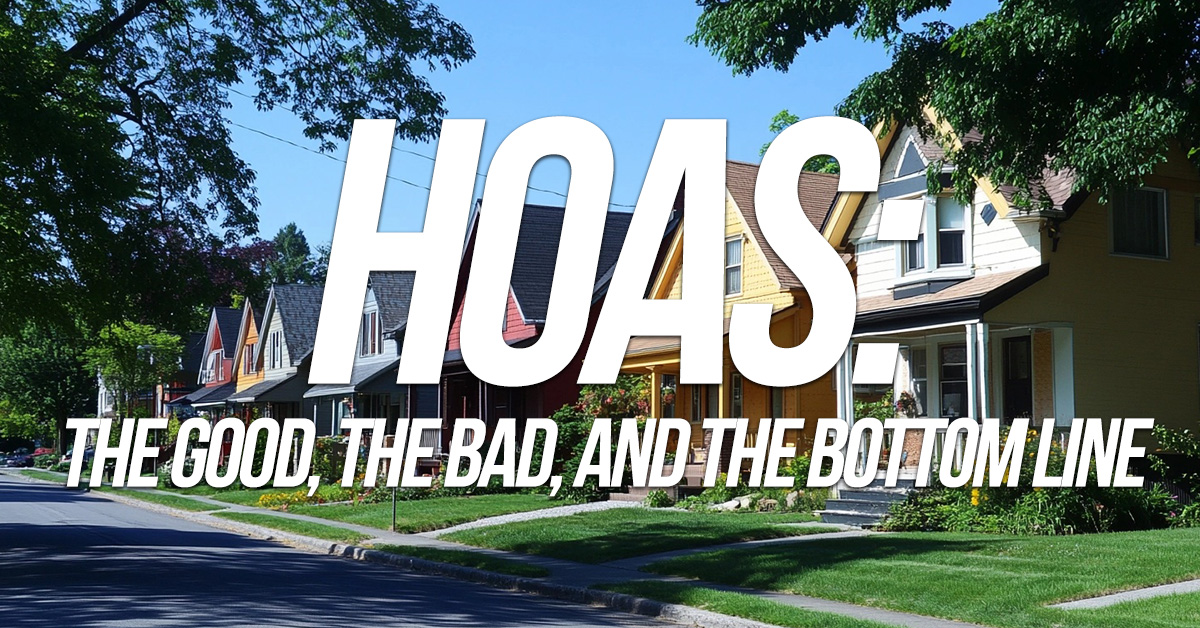
HOAs: The Good, the Bad, and the Bottom Line
Homeowners Associations, or HOAs, have become a fixture of the American residential landscape. Once a relatively rare entity, they now manage millions of homes across the country. Love them or hate them, HOAs are here to stay.
The stereotype of the overbearing HOA is well-established. Stories abound of homeowners battling with their associations over everything from lawn height to holiday decorations. It’s easy to see why some people view HOAs as a necessary evil. But is this a fair representation?
While it’s true that some HOAs can be overly restrictive, it’s important to remember that they exist for a reason. Many homeowners appreciate the sense of community and shared responsibility that an HOA provides. By establishing rules and guidelines, HOAs can help to maintain property values, ensure the safety and well-being of residents, and create a more attractive neighborhood.
One of the biggest benefits of HOA living is the maintenance of shared amenities. Pools, fitness centers, playgrounds, and clubhouses are common features of HOA communities. These amenities can significantly enhance residents’ quality of life and provide opportunities for socializing. Additionally, HOAs often handle exterior maintenance, such as landscaping and trash removal, freeing up homeowners’ time.
However, HOAs also come with costs. Monthly or annual fees are typically required to cover the association’s expenses, which can include maintenance, insurance, and administrative costs. Additionally, homeowners may face restrictions on everything from exterior paint colors to pet ownership.
It’s essential to weigh the pros and cons of HOA living carefully before purchasing a home in an HOA community. Research the association’s rules and regulations thoroughly and consider talking to current residents to get their perspective.
One aspect of HOA living that often gets overlooked is insurance. Many HOAs require homeowners to carry specific levels of insurance coverage to protect the community as a whole. This typically includes property insurance, liability insurance, and sometimes flood insurance. It’s crucial to review your HOA’s insurance requirements with your agent to ensure you have adequate coverage.
While HOAs may not be for everyone, they are a growing trend in the housing market. Whether you view them as a blessing or a curse, understanding how they work and what they entail is essential for any homeowner. By carefully considering the pros and cons and working closely with your insurance agent, you can make informed decisions about HOA living.
Do you live in an HOA community? Share your experiences in the comments below.