Accountability in the New Year: Auditing Employee Risk for Workers’ Comp and Liability
After the holiday break, the return to full-scale operations requires an immediate refocus on safety and workplace conduct. Employees returning from vacation may be distracted, leading to carelessness that increases risks related to Workers’ Compensation (injury) and General Liability (customer/vendor injury). The third week of January is the time for a mandatory internal audit to reset expectations and minimize the costly potential for human error.
- The Workers’ Compensation Refresher
Workers’ Comp covers employee injuries sustained on the job. Accidents often spike in the weeks following a long break due to distraction, unfamiliarity with new processes, or poor safety habits.
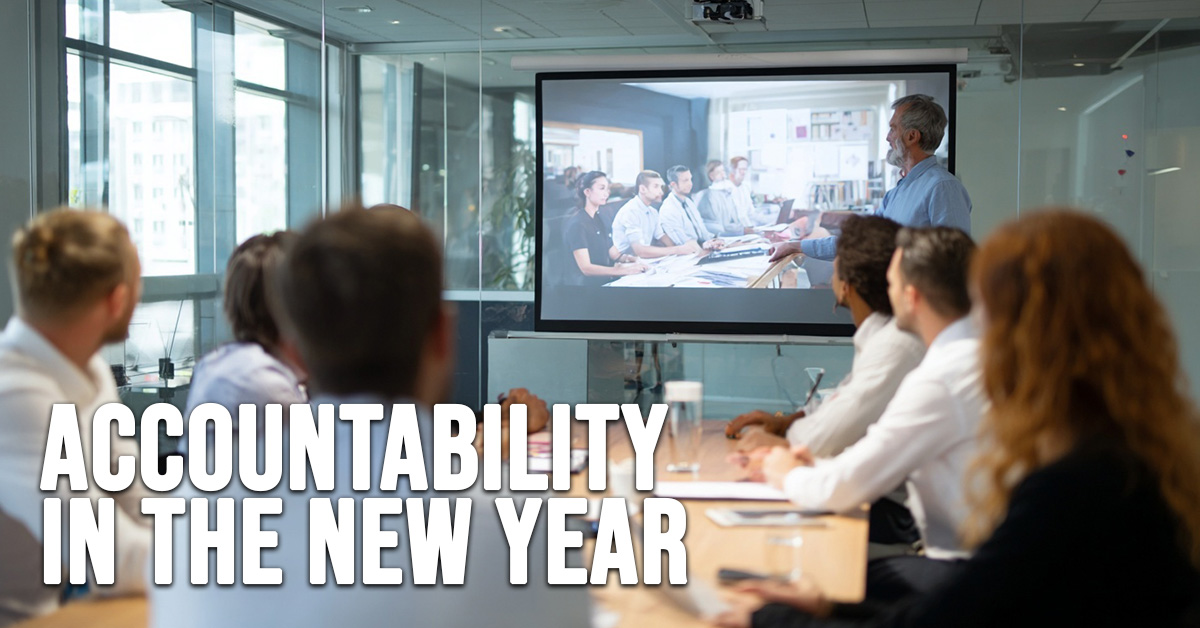
- Mandatory Safety Refresher: Schedule a 30-minute safety training session for all employees, focusing specifically on winter hazards (slippery parking lots, handling heavy lifting of new stock, machine operation). Document all attendance and training materials. This documentation is crucial proof of due diligence should an accident occur.
- Classification Audit: Did you permanently promote temporary holiday staff into higher-risk roles (e.g., from desk work to warehouse work)? Ensure their job classifications are accurately reported to your insurer. Misclassification can lead to audit penalties and claim complications.
- General Liability and Conduct Risk
Employee conduct impacts your General Liability (GL) and Employment Practices Liability Insurance (EPLI) risk. If an employee’s carelessness injures a customer, GL pays. If their misconduct leads to an HR complaint, EPLI pays.
- Customer Safety: Remind employees that their actions impact customer safety. This is particularly relevant in retail or service environments where employees may leave boxes in aisles or fail to clear spills.
- EPLI & Harassment: The New Year is the ideal time to re-issue and mandate acknowledgment of your company’s policies on professional conduct, harassment, and discrimination. A mid-year refresher on these sensitive topics helps manage the inherent risk covered by your EPLI policy.
- Reporting and Documentation
The most effective risk management tool is good record-keeping. Ensure that all supervisors are trained to:
- Immediately Report: Document all near-misses and minor injuries.
- Investigate Thoroughly: For any injury, gather statements, take pictures, and log the incident immediately.
- Monitor Absenteeism: High absenteeism after the holidays can indicate burnout, which correlates with higher accident rates.