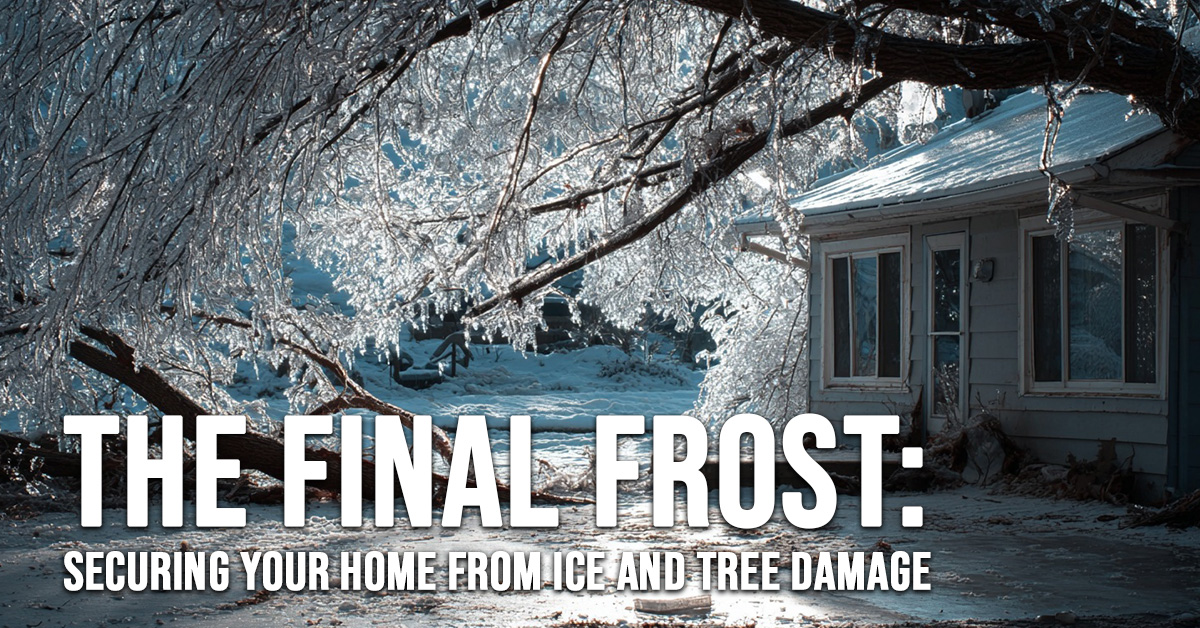
The Final Frost: Securing Your Home from Ice and Tree Damage
The last week of January often delivers the worst of the season’s weather: heavy snowfall followed by sudden freezing rain, high winds, and ice storms. This combination creates the most significant threat of catastrophic damage to your home’s exterior—specifically from falling trees, structural collapse under weight, and ice-related water intrusion.
As this period of extreme risk approaches, every homeowner must confirm their Home Insurance covers these specific, high-cost perils and ensure they haven’t compromised their claim eligibility through poor maintenance.
- Tree Fall Catastrophe: Understanding Coverage
Ice accumulation weighs down trees and branches dramatically, often leading to them snapping and crashing onto your roof, car, or fence.
- Covered Peril: If a tree falls due to a covered peril (wind, snow, or ice) and damages your home, your policy covers the cost to repair the dwelling, and usually covers the cost to remove the part of the tree that is obstructing the structure.
- Excluded Peril: Your policy will not cover the removal of an otherwise healthy tree that falls in your yard without hitting a covered structure. It also generally excludes damage from a tree that falls due to pre-existing decay, rot, or insect infestation (a maintenance issue).
Late January Action Item: Before the next storm, inspect your property for dead or visibly damaged trees near your house, garage, or driveway. If a tree is clearly a hazard, have it professionally removed. The cost of removal is insignificant compared to the cost of a claim denial or repair bill following a collapse.
- Weight of Snow, Ice, and Collapse
The weight of accumulated snow and ice can reach dangerous levels, threatening roof collapse, especially on flat or low-sloped roofs.
Your Home Insurance policy generally covers damage caused by the weight of ice, snow, or sleet. However, the same principle of maintenance applies:
- Mitigation: Insurers expect you to remove excessive snow load, especially after several heavy snowfalls. If you ignore local warnings and the roof collapses, the insurer may investigate whether the loss was preventable through reasonable snow removal measures.
- Ice Damage: Water damage caused by ice dams (water backing up under shingles) is typically covered, but the insurer wants proof that you attempted to clear the ice dams or ensure proper ventilation (as discussed last week).
Ensure your home is structurally sound heading into February. Take steps to safely clear snow load, address hazardous trees, and confirm your dwelling limits are up-to-date. Protection in the final, coldest week of January comes down to preparation and documentation.