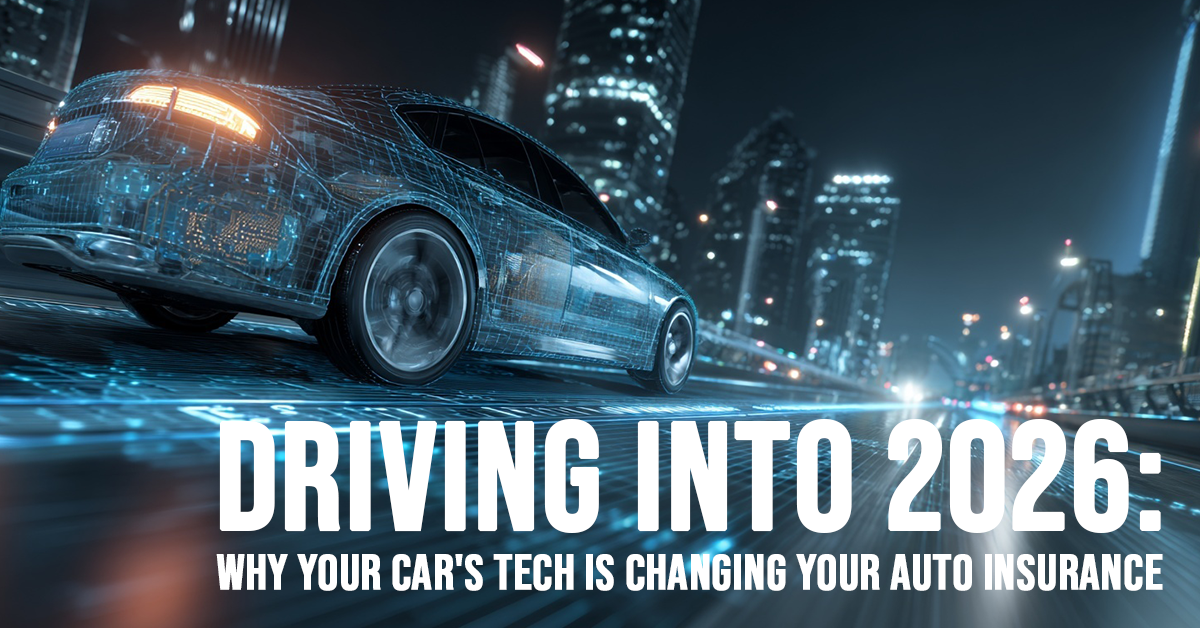
Driving into 2026: Why Your Car’s Tech is Changing Your Auto Insurance
As we move into 2026, the car in your driveway is no longer just a vehicle; it’s a data hub. The integration of technology, from sophisticated sensors to advanced propulsion systems, is fundamentally reshaping the auto industry and, by extension, auto insurance. The trends we’re seeing today are a clear indicator that the way we drive, and the way we’re insured, is changing forever.
The most prominent of these trends is the prevalence of Advanced Driver-Assistance Systems (ADAS). Features like automated braking, lane-keeping assist, and parking assist have become standard in many new vehicles. While they are a key part of the push for safer roads, they come with a hidden cost. The cameras, radar, and lidar sensors that power these systems are incredibly expensive to replace and calibrate after an accident. A minor collision that once resulted in a cheap bumper repair can now turn into a claim costing thousands of dollars to fix the underlying technology. This rise in claims “severity” is a major factor contributing to higher premiums.
Another key driver of change is the rapid adoption of electric vehicles (EVs). While EVs offer long-term savings on fuel and maintenance, they present unique insurance challenges. The primary concern is the battery. EV battery packs are incredibly expensive and can be damaged in a collision, leading to a high-cost claim. As a result, EVs often have higher premiums than comparable gasoline-powered cars. However, many insurers are now offering specialized EV policies that include coverage for the battery and home charging stations, so it’s worth shopping around.
The silver lining in all this technology is that it’s creating opportunities for drivers to save money. AI-driven risk assessment and usage-based insurance (UBI) are becoming mainstream. Many carriers offer programs where you can install a device or use a smartphone app to track your driving habits. The data collected—things like how often you brake hard, your speed, and your total mileage—is used to calculate a personalized premium. For safe, low-mileage drivers, this can lead to substantial discounts. It’s a move away from a one-size-fits-all model and a shift towards a more personalized, data-driven approach to pricing.
As you plan for 2026, don’t blindly renew your auto insurance policy. Take the time to understand how your vehicle’s technology affects your rates. If you have an older car, consider whether it’s still worth carrying collision and comprehensive coverage. If you have a newer vehicle with ADAS, make sure your policy adequately covers those expensive components. Explore UBI programs, and always get quotes from multiple carriers. The auto insurance landscape is changing fast, and staying ahead of the curve is the best way to ensure you’re getting the right coverage at the right price.