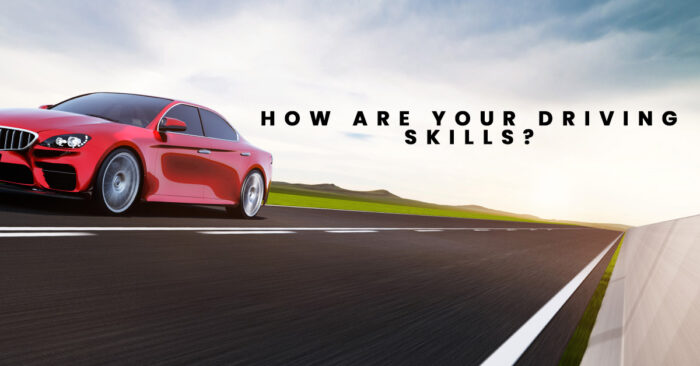
How Are Your Driving Skills?
If you are an experienced driver, you may wonder to yourself where today’s drivers learned their craft. Drivers frequently roll or even accelerate through stop signs. They often refuse to use turn signals and seem to take pleasure in cutting you off. It is as if you expect to see Mario, Luigi, Yoshi and Princess Peach in the cars next to you. Drivers can’t seem to get to the next red light quick enough and a courtesy is when someone turns on their blinker after cutting you off, just to let you know “Yes I did.”
In a grocery store we seem to be more than willing to allow someone with just a few items ahead of us in the checkout line, but on the highway, we are accelerating until they run out of room on the berm. What gives?
Are we all using a different set of regulations? Did we all forget the rules of the road? How are your driving skills?
How Do You Approach a Four-Way Flashing Red Light?
A four-way flashing red light should be treated the same as a four-way stop sign. The driver who arrives at the intersection first, has the right of way. When in doubt, the driver to the right has the right of way after a complete stop. That being said, you should not move forward until any vehicles near or in the intersection has stopped, and you are sure it is safe to proceed.
How Far in Feet Should You Turn on Your Turn Signals When Approaching a Turn You Intend to Make?
With in-city driving, that distance should be about 100 feet, or about 10 car lengths. Your blinker should give those behind you the first indication you are turning, not your brake lights.
At what speed can a vehicle hydroplane and lose contact with the road?
Hydroplaning occurs on wet highways. It is one of the reasons maintaining appropriate tread depth of your tires is so important. In some cases, hydroplaning can cause you to lose control of a car at just 35 miles per hour. It is why you should slow down and heighten your defensive driving skills in the rain and on wet roadways.
You are the first car approaching an intersection to turn left, but there is oncoming traffic. Where should you stop and what should you do?
You should proceed cautiously into the middle of the intersection, and wait for the oncoming traffic to clear. This puts you in the best situation to make your turn through the intersection to the left when the opportunity arises.
Most people fail their driving tests today for not coming to a complete stop at a stop sign, not knowing how to properly merge into traffic and not knowing what to do at a four-way stoplight or stop sign. How would you do?
Safe driving is a critical component in reducing insurance rates. Perhaps a financial incentive could improve driving habits. It may not be incentive enough for others, but it could work for you. Contact us to get a no obligation auto insurance quote today.