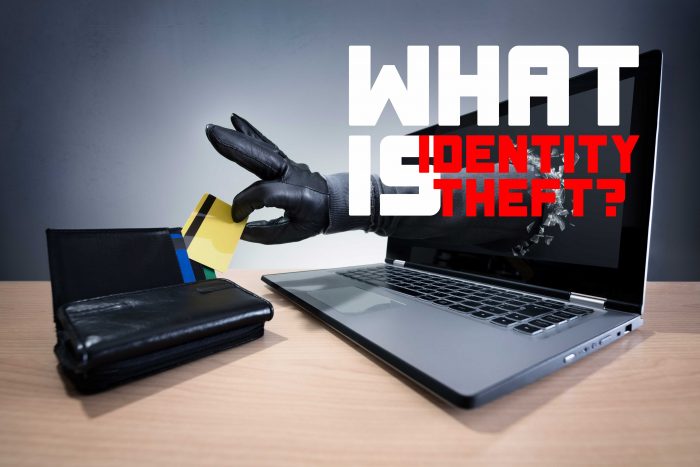
What is Identity Theft?
Who are you? What aspects of yourself do you identify with? Your morals and values, your interests, the way you grew up? These things make you who you are. However, though these aspects are important to you, a criminal does not care about how good of a person you are. A criminal just wants your identity as it is on your official documents. Once a criminal gets ahold of your identity, all you’ll have is your dignity. Soon to be lost, your good name.
What is identity theft? Identity theft occurs when a criminal gains access to your personal information and will use it to commit a crime or fraud in your name. There are numerous types of identity theft, such as mail identity theft, credit card fraud, even online shopping fraud. There are up to 20 different types of identity theft.
What kind of personal information do thieves look for? Exposing any of the following information in the wrong place can leave you at risk for identity theft:
- Name
- Address (Both physical and e-mail)
- Telephone number
- Drivers license/passport number
- Online passwords
- Any banking information (card number, account number, pin code)
- Date of birth
- Social Security
How do thieves gain access to my information? Thieves can access your information in many ways, such as a corporate data breach, stealing your mail, a “phishing” scam, unsecured websites, debit/credit card skimmers, stealing your mail, wallet, or purse, even “dumpster diving” through discarded mail, and more.
How will thieves use my information? Experian Information Services lists a few ways thieves could use information.
- Make purchases using financial information
- To sell to other criminals on the dark web to commit fraud
- Open a credit card account to commit fraud
- File taxes in your name/steal your tax return
- Buy a home in your name
- There are other possible ways for a thief to use personal information
How will I know if my identity has been stolen? Here are just a few signs to watch out for: receiving tax information you didn’t request, unauthorized transactions on your bank account, receiving a bill for a purchase you didn’t make, being denied credit. Watch out for any other confusing occurrence as well.
Now that you know more about identity theft, come back tomorrow to read more about protecting your identity.