The February Pothole Patrol: Navigating Winter Road Damage and Your Auto Policy
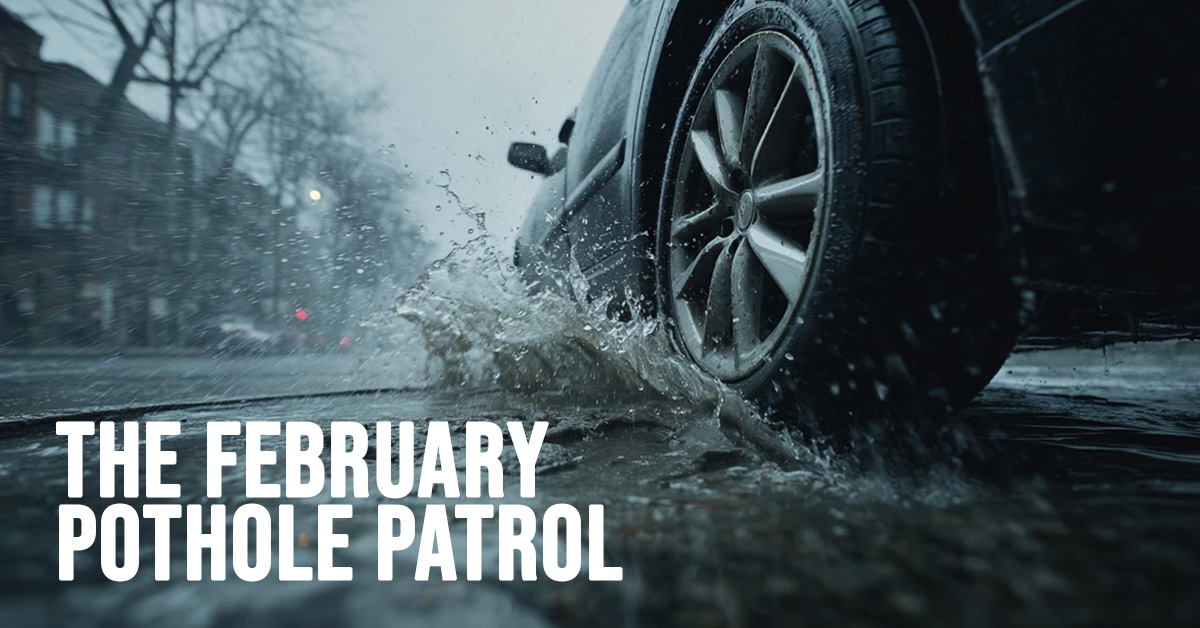
In many parts of the country, February marks the beginning of “Pothole Season.” As the ground thaws during the day and refreezes at night, water seeping into road cracks expands, forcing the pavement up. When heavy winter traffic passes over these weak spots, the road collapses, creating craters that can cause hundreds or even thousands of dollars in damage to your vehicle’s tires, rims, and suspension.
If you hit a pothole this February, you need to know exactly how your Auto Insurance responds and whether filing a claim is actually in your best financial interest.
Is a Pothole Strike a Covered Loss?
Yes, striking a pothole is generally considered a covered event, but it falls under your Collision Coverage, not Comprehensive.
Because you are the driver of the vehicle that struck the object (the pothole), insurance companies typically classify this as an “at-fault” single-vehicle accident. Even if the pothole was unavoidable, the logic is that the driver has a duty to maintain control and avoid hazards.
The Financial Math of a Pothole Claim:
Before you file a claim for a blown tire or a bent rim, consider your deductible:
- If your repair cost is $$800$ and your deductible is $$500$, the insurance company will only pay $$300$.
- Because it is often an “at-fault” claim, your premiums could increase at renewal.
- The Verdict: If the damage is only a few hundred dollars above your deductible, it is often cheaper in the long run to pay for the repair out-of-pocket to keep your claims history clean.
When the City is Responsible
In some jurisdictions, you can file a claim against the city or state department of transportation if they were aware of the pothole and failed to repair it within a reasonable timeframe. However, this is a notoriously difficult and slow process. Most drivers find it more efficient to rely on their own insurance or pay for the repair directly.
Essential February Maintenance to Avoid the Strike
- Maintain Tire Pressure: Cold February air causes tire pressure to drop. Under-inflated tires are much more susceptible to “pinch flats” and rim damage when hitting a pothole. Check your pressure weekly.
- Keep Your Distance: Following the car ahead too closely prevents you from seeing potholes in time to react.
- Don’t Brake In the Pothole: If a strike is inevitable, brake hard before you reach it, but release the brake just before impact. A rolling tire survives a strike better than a locked, skidding tire.
Potholes are an unfortunate February tradition. By understanding how your Collision coverage applies and keeping your tires properly inflated, you can navigate the late-winter roads with a bit more confidence and a lot less financial risk.